Understanding the potential failures in your plumbing system can save you from significant expenses and inconveniences. Many of these issues remain hidden until they turn into major problems requiring extensive sewer repairs. This article explores common defects in residential systems, helping homeowners anticipate and address them proactively. With proper knowledge, homeowners can tackle potential issues before they escalate. By identifying these common failures early on, you can take strategic steps to protect your property infrastructure, ensuring a smooth flow of wastewater away from your home.
Fighting Tree Root Intrusion
Tree roots naturally seek out moisture inside underground pipes. This is especially common when pipes are made of clay, which can crack over time. Roots follow tiny leaks, exploiting weaknesses until they fully penetrate. Once inside, roots grow and expand, creating blockages. This invasion leads to significant infrastructure damage if not managed early.
Identifying Signs of Root Intrusion
Root intrusion presents several identifiable symptoms in your system. Homeowners may notice slow drainage, gurgling noises, or recurring backups in toilets and sinks. Lush patches of grass may appear over lines as roots search for nutrients. These symptoms serve as early warning signals. Immediate attention prevents costly sewer repairs.
Preventing Tree Root Intrusion With Care
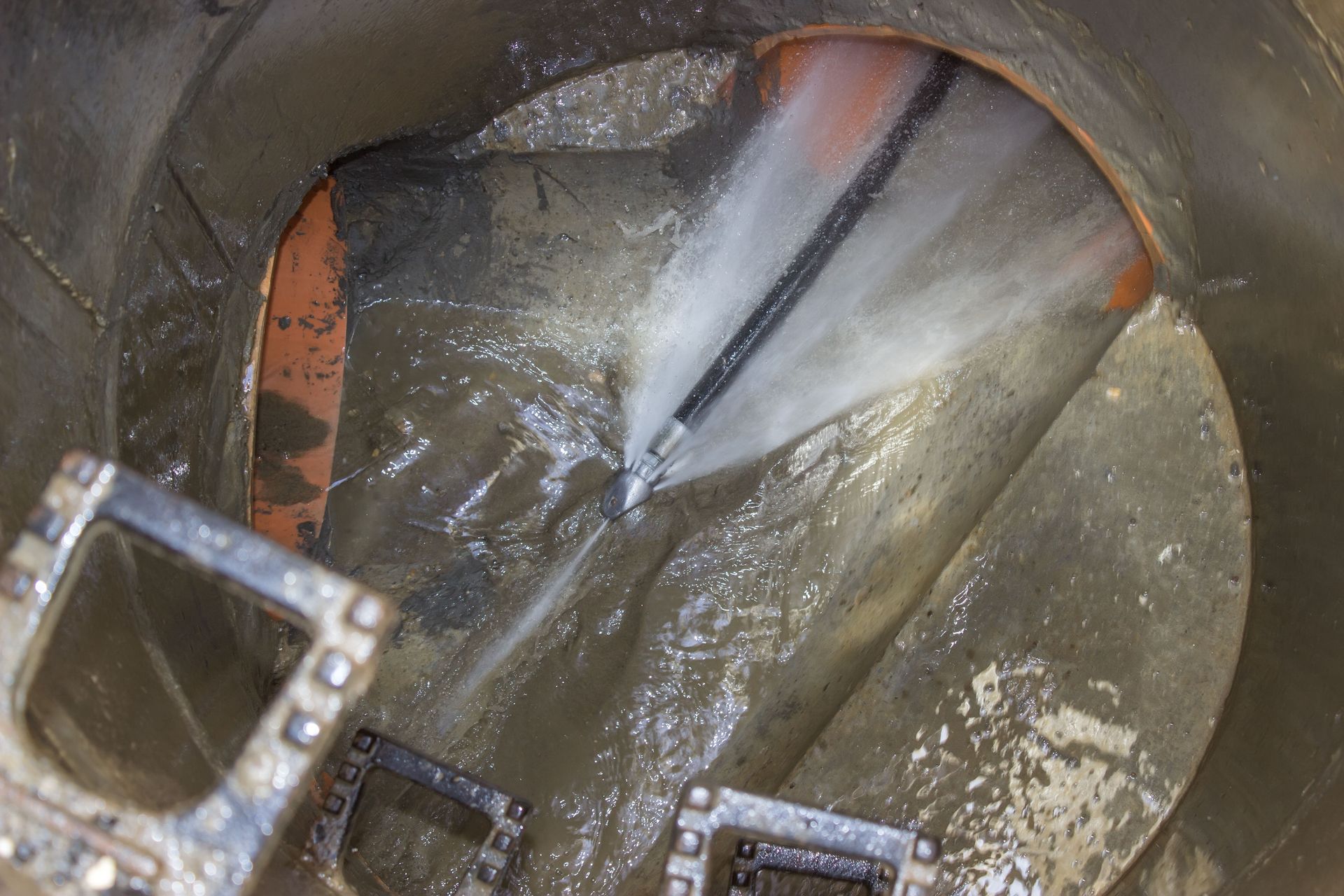
To prevent tree root intrusion, plant trees and shrubs away from your lines. Using root barriers helps deter roots from spreading into critical areas of your property. Regular maintenance, including hydro jetting, keeps pipes clear. Chemical root killers are another effective measure. Homeowners manage planting better when aware of their layout.
Analyzing Corroded Pipes Inside Your Home
Corrosion in pipes typically arises from chemical reactions between the pipe material and substances carried within them. Older pipes made from metal are particularly susceptible to rust. Naturally occurring gases can accelerate this process, especially in areas with high industrial activity. Without proper intervention, corroded pipes lead to leaks and costly sewer repairs.
Finding Corroded Pipes Early on
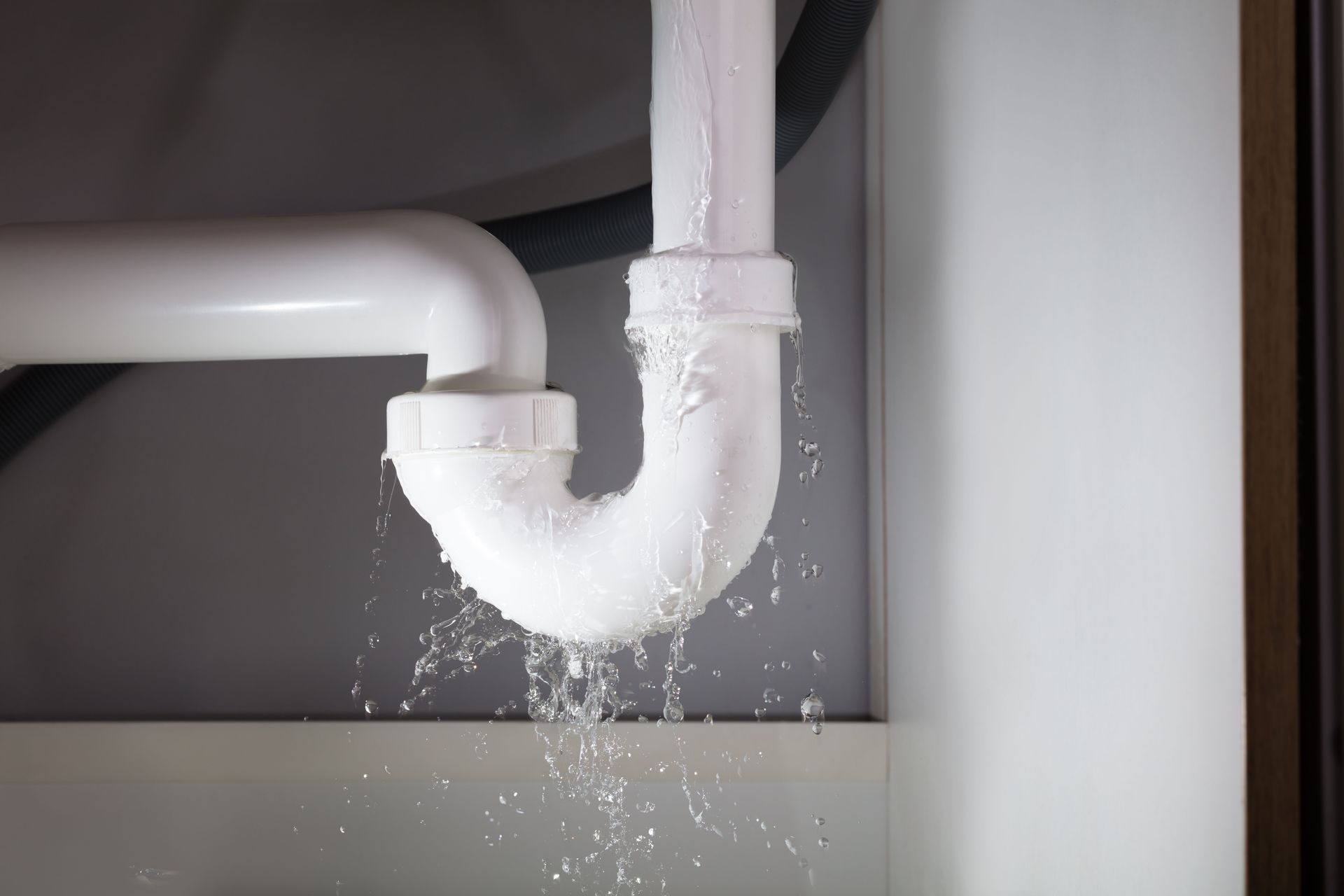
Visible rust and leaks are among the most obvious signs of pipe corrosion. Other indicators include unusual water discoloration, odd smells, and decreased water pressure. Regular inspections using camera scopes can reveal internal corrosion before it becomes externally visible. It is crucial to address these signs promptly to avoid pipe bursts.
Choosing Repair and Replacement Options
Once corrosion is detected, repair or replacement must be considered based on severity. Spot repairs are feasible for minor leaks, while extensive damage requires complete replacement. Trenchless methods offer less invasive solutions, preserving landscaping and reducing disruption. Consulting with professionals helps homeowners choose the most effective course of action.
Addressing Blockages and Clogs
Blockages commonly result from materials like grease, food waste, hair, and non-flushable items accumulating within pipes. Foreign objects flushed down toilets, such as wipes, often contribute to clogs. Over time, these buildups completely block pipe flow. Regular maintenance and conscientious usage of drains mitigate the risk of chronic blockages.
Managing Minor Clogs With Professional Help
For minor clogs, it is always recommended to seek professional help. Pouring harsh chemicals down drains might seem tempting, but they should be avoided due to potential pipe damage. Regularly cleaning drain stoppers prevents the accumulation of hair and debris. If multiple fixtures are affected, a comprehensive inspection is required to avoid needing major sewer repairs.
Calling a Plumber for Severe Clogs
If you experience persistent sewage odors or backups, expert analysis and cleaning are necessary. Professionals perform a thorough diagnostic using specialized tools to clear severe clogs. According to HomeGuide, most residential properties have sewer lines ranging from 50 to 150 feet in length. Timely intervention by experts increases your system's lifespan.
Assessing Aging Infrastructure Risks
Aging systems pose various risks due to deteriorating materials and outdated technologies. Many properties may have pipes made from materials such as clay or cast iron, which degrade over time. These aging systems are more prone to leaks and collapses, often resulting in costly sewer repairs. Recognizing these risks is essential for prioritizing timely upgrades.
Planning Renovation and Upgrades
Upgrading aging systems can involve several options, ranging from simple fixes to comprehensive overhauls. Trenchless repair methods allow for effective updates with minimal landscape disruption. Completely replacing old pipes with modern materials ensures longevity. Property owners should evaluate cost and potential benefits when considering renovations to enhance property value.
Managing Long-Term Financial Impacts Effectively
Addressing aging systems can be costly, but failing to upgrade can be more severe. Repairing or replacing lines is an investment that prevents ongoing maintenance expenses and potential property damage. It is essential for homeowners to budget for these necessary upgrades. Proactively managing updates mitigates long-term expenses.
Combating Dangerous Sewer Backups
Backups can be attributed to several causes, including blockages, pipe collapses, and excessive rainfall overwhelming municipal systems. Root intrusion is another common cause, as growing roots infiltrate lines, obstructing proper flow. Water conservation measures can inadvertently exacerbate this issue by reducing flow rates through pipes. Understanding these causes helps develop effective preventive strategies.
Protecting Household Health and Safety
Backups pose serious health and safety risks, exposing residents to harmful bacteria and pathogens. Direct contact with sewage increases the risk of gastrointestinal illnesses and infections. Inhalation of noxious gases can also present health hazards. Proper cleanup and sanitation are critical after a backup to prevent lingering health risks in your home.
Taking Immediate Steps During a Backup
In the event of a backup, immediate steps must be taken to minimize damage. First, turn off the water supply to prevent further drainage into the affected line. Avoid contact with contaminated water to prevent shock hazards. Notify a professional to assess the cause and provide a suitable solution, such as basement waterproofing and more.
Identifying Collapsed Lines Early
Early warning signs of a potential collapse include sudden backups, frequent clogging, and water pooling near the foundation. Unexpected depressions or lush spots in the lawn may also indicate structural weakness. Soil erosion near the lines suggests that the integrity of the pipes is compromised. Prompt recognition of these warning signs prevents expensive fixes.
Handling Emergency Collapse Measures
Once a collapse occurs, emergency measures should be taken to prevent extensive damage. Turn off the water supply and limit system usage to prevent additional flow into the failed pipe. Ignoring a line collapse can result in severe property damage and environmental hazards. Homeowners must act swiftly to embark on necessary sewer repairs.
Reviewing Collapse Repair Techniques
Repairing collapsed lines can involve traditional excavation or modern trenchless technology methods. Trenchless solutions, such as pipe bursting or lining, offer less invasive repairs that preserve landscaping. Traditional methods involve digging to access and replace damaged sections. Consulting with experienced professionals guides homeowners in choosing the most effective method available.
Awareness and regular maintenance of plumbing systems can minimize risks and prevent unexpected failures. By understanding potential problems, proactively inspecting systems, and investing in preventive measures, homeowners can safeguard their property and ensure efficient operations. Addressing these common issues with knowledge and preparedness leads to peace of mind and sustained property value. Regular assessment and the incorporation of preventive techniques offer proactive care for one of your home components. If you find yourself in need of expert sewer repairs, we are here to help. Reach out to us at Armstrong Plumbing & Sewer Service for comprehensive plumbing services, sewer services, and drain cleaning and snaking to keep your Warren, MI home safe and functional for years to come.