By Rich Gregory
August 20, 2026
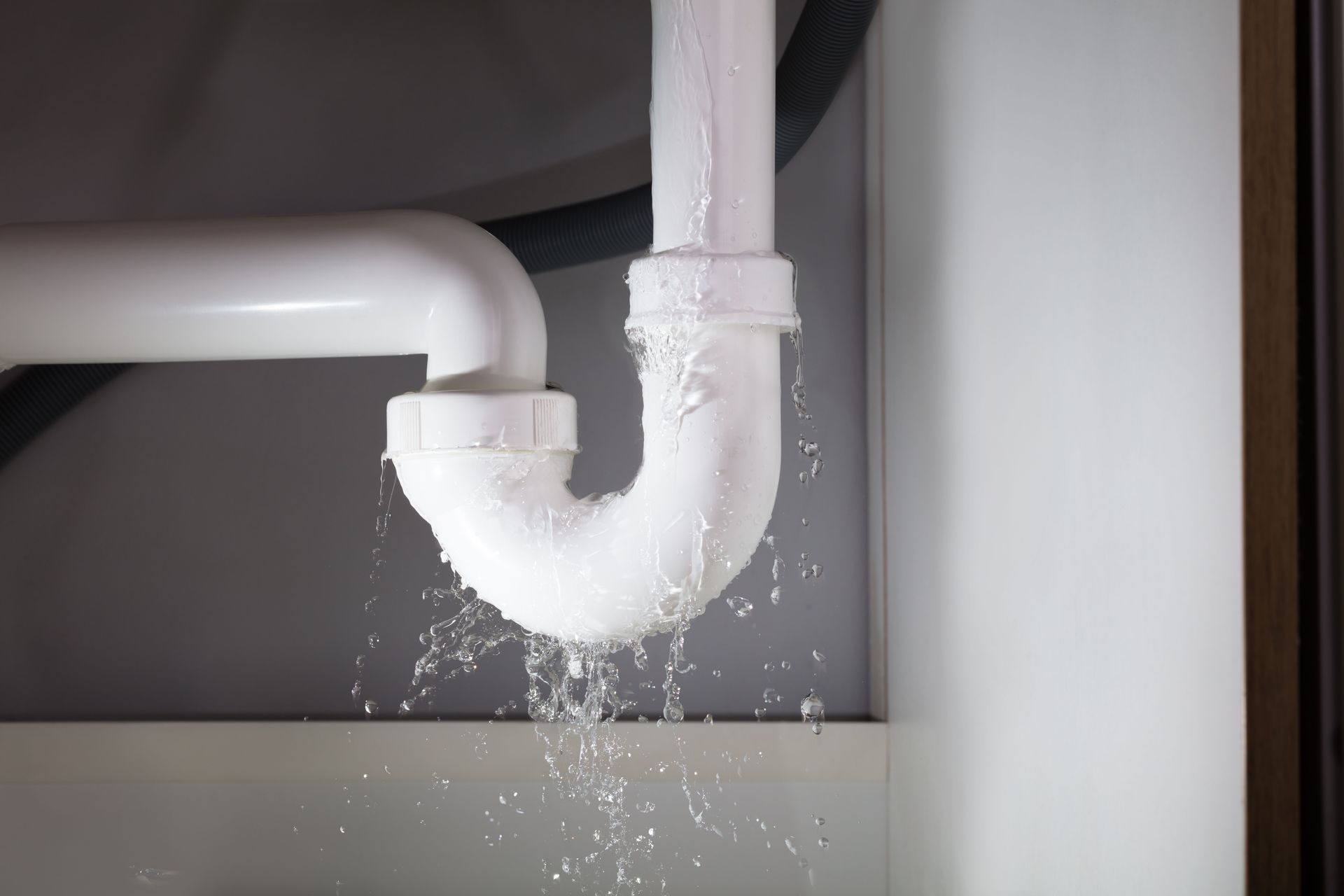
Hidden plumbing problems can be a homeowner's nightmare because they may develop for weeks or months without producing obvious warning signs. A small leak behind a wall, a partially blocked drain, or a deteriorating pipe can eventually cause water damage, higher utility bills, and expensive repairs. Understanding how a local plumber diagnoses these problems can help homeowners recognize the value of early inspections and respond before minor concerns become major disruptions.
Plumbing is an integral part of any home, yet it often goes overlooked until something stops working properly. Many problems begin in areas that are difficult to see, including behind walls, beneath floors, underground, or inside drain lines. Professional plumbers combine experience, careful observation, specialized testing, and modern technology to determine what is happening without unnecessarily opening walls or removing flooring.
1. Beginning With a Detailed Homeowner Interview
The diagnostic process usually begins with a conversation about what the homeowner has noticed. Changes such as unusual noises, water discoloration, slow drainage, fluctuating water pressure, damp odors, or unexpectedly high water bills can provide valuable clues. A local plumber may ask when the symptoms began, whether they occur continuously or intermittently, and whether they affect one fixture or several areas of the home.
This discussion allows the plumber to narrow down possible causes before beginning physical testing. A dripping sound inside a wall, for example, may suggest a supply-line leak, while several slow drains could indicate a larger drainage problem. Details that seem insignificant to a homeowner can sometimes help a professional determine where to focus an inspection.
Communication also gives homeowners an opportunity to explain previous repairs, renovations, or recurring plumbing concerns. The plumber can then establish priorities based on the severity of the symptoms and the likelihood of additional damage. Explaining the inspection process, possible findings, and anticipated next steps also helps homeowners understand what to expect.
2. Reviewing the Plumbing System's History
Past plumbing problems can reveal patterns that are useful during diagnosis. If a certain section of pipe has leaked repeatedly, for instance, the underlying problem may involve corrosion, excessive water pressure, aging materials, or an installation issue rather than an isolated failure. Records of previous repairs, replacements, and remodeling projects can provide additional context. According to Finance Buzz, 32% of homeowners are actively delaying plumbing repairs, highlighting why identifying and addressing developing problems before they worsen can be important for preventing more extensive damage.
The age of the home is another important consideration. Older properties may contain plumbing materials that are more susceptible to deterioration, mineral buildup, or corrosion. Copper, galvanized steel, cast iron, PVC, and other materials each have different characteristics and potential weaknesses. Understanding what materials are present helps plumbers anticipate the types of problems they may encounter.
A local plumber can also evaluate whether previous modifications appear compatible with the rest of the system. Improper connections, aging fittings, or repairs performed with mismatched materials may contribute to leaks and other problems over time. Looking at the plumbing system as a whole rather than focusing exclusively on one symptom can lead to a more complete diagnosis.
3. Performing a Thorough Visual Inspection
After gathering background information, plumbers generally inspect accessible pipes, fixtures, valves, drains, and connections. They look for corrosion, mineral deposits, staining, damaged fittings, loose connections, and other signs of deterioration. Even when a leak itself is hidden, evidence of escaping water may appear elsewhere in the home.
Water stains on ceilings and walls can indicate moisture traveling from pipes located some distance from the visible damage. Warped flooring, peeling paint, bubbling drywall, musty odors, and unexplained dampness can provide additional clues. Cabinets beneath sinks and areas around toilets, water heaters, washing machines, and dishwashers are also common inspection points.
Outdoor components may be examined as well. Hose bibs, exposed pipes, water service connections, and accessible drain lines can reveal problems affecting the larger system. By systematically inspecting these areas, a local plumber can identify visible evidence that determines which diagnostic methods should be used next.
4. Testing Water Pressure and Flow
Water pressure provides important information about the condition of a home's plumbing. Pressure that is consistently too low may indicate a restriction, partially closed valve, supply problem, or hidden leak. Excessively high pressure can place unnecessary stress on pipes, fixtures, appliances, and connections, potentially contributing to premature failures.
Plumbers can use pressure gauges to obtain measurements at strategic locations throughout the system. Comparing readings may help determine where pressure loss is occurring. If one fixture experiences weak flow while the rest of the house operates normally, the problem may be localized. When several fixtures are affected, the cause may exist farther upstream.
Flow observations are useful as well. Irregular flow, sputtering faucets, or sudden pressure changes can indicate issues involving valves, sediment, blockages, or supply lines. Testing these conditions gives plumbers measurable information rather than requiring them to rely solely on visible symptoms.
5. Using Cameras to Inspect Hidden Areas
Modern diagnostic equipment allows plumbers to examine areas that would otherwise require disruptive exploratory work. Small inspection cameras and borescopes can provide views inside confined spaces, wall cavities, and other difficult-to-reach locations. Drain and sewer cameras are especially useful because they can travel through piping and provide real-time images of internal conditions.
Camera inspections may reveal cracks, corrosion, accumulated debris, damaged joints, obstructions, or other abnormalities. In drain and sewer lines, cameras can help identify grease buildup, foreign objects, deteriorated sections, and root intrusion. A local plumber can use this visual evidence to determine the location and nature of a problem before recommending repairs.
Camera inspections also reduce unnecessary guesswork. Instead of opening several areas of a wall or excavating a large section of a yard to search for a problem, plumbers can often identify a more precise location first. This approach may reduce property disturbance while allowing repairs to be planned more efficiently.
6. Detecting Moisture Behind Surfaces
Not every hidden leak produces a visible stain immediately. Moisture meters can help plumbers identify elevated moisture levels inside walls, floors, ceilings, and other building materials. These devices provide measurements that can help distinguish normal conditions from areas affected by unwanted water.
Finding abnormal moisture levels is particularly valuable when a homeowner notices a musty odor or other subtle warning sign without seeing obvious water damage. The measurements can help narrow the search area and determine whether additional testing is appropriate. Identifying moisture early may also reduce the amount of building material affected by a continuing leak.
A local plumber may compare readings from several areas to trace the probable source. Because water can travel along framing, pipes, or other surfaces before becoming visible, the wettest location is not always directly beneath the leak. Combining moisture measurements with other diagnostic information helps create a more accurate picture.
7. Employing Thermal Imaging Technology
Thermal imaging cameras detect differences in surface temperature and translate those variations into visible patterns. Plumbing professionals can use these patterns to identify areas that warrant closer examination. Water leaking behind a wall or beneath a floor may change the temperature of surrounding materials, creating an anomaly that can be detected without immediately opening the surface.
Thermal imaging can be particularly useful around hot-water lines and radiant systems. It may also help identify areas where moisture is affecting building materials. However, temperature differences can have multiple causes, so plumbers generally combine thermal imaging results with moisture measurements, pressure testing, and physical observations.
This technology can also assist after repairs. Comparing conditions before and after the work may provide additional evidence that the identified source has been addressed. Using multiple diagnostic methods helps prevent conclusions from being based on a single reading or observation.
Hidden plumbing issues are easier to manage when they are identified before extensive damage occurs. Paying attention to changes in pressure, unusual sounds, moisture, odors, drainage, and water usage can provide valuable early warnings. Professional diagnostic methods allow plumbers to investigate these symptoms systematically, helping homeowners protect their property, maintain reliable plumbing performance, and make informed decisions about necessary repairs. Contact our team at Armstrong Plumbing & Sewer Service today and learn more about our plumbing services.