By Rich Gregory
August 26, 2026
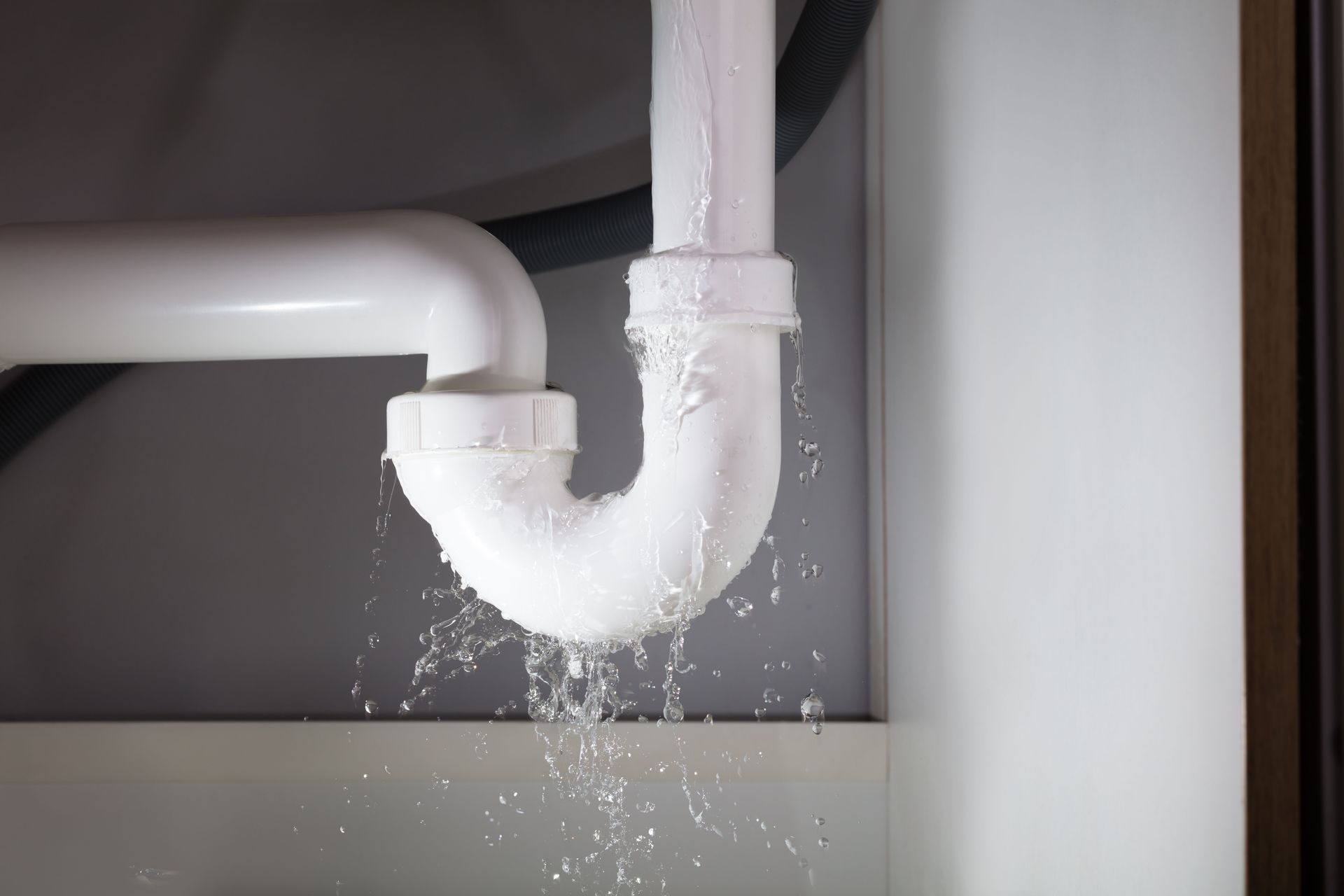
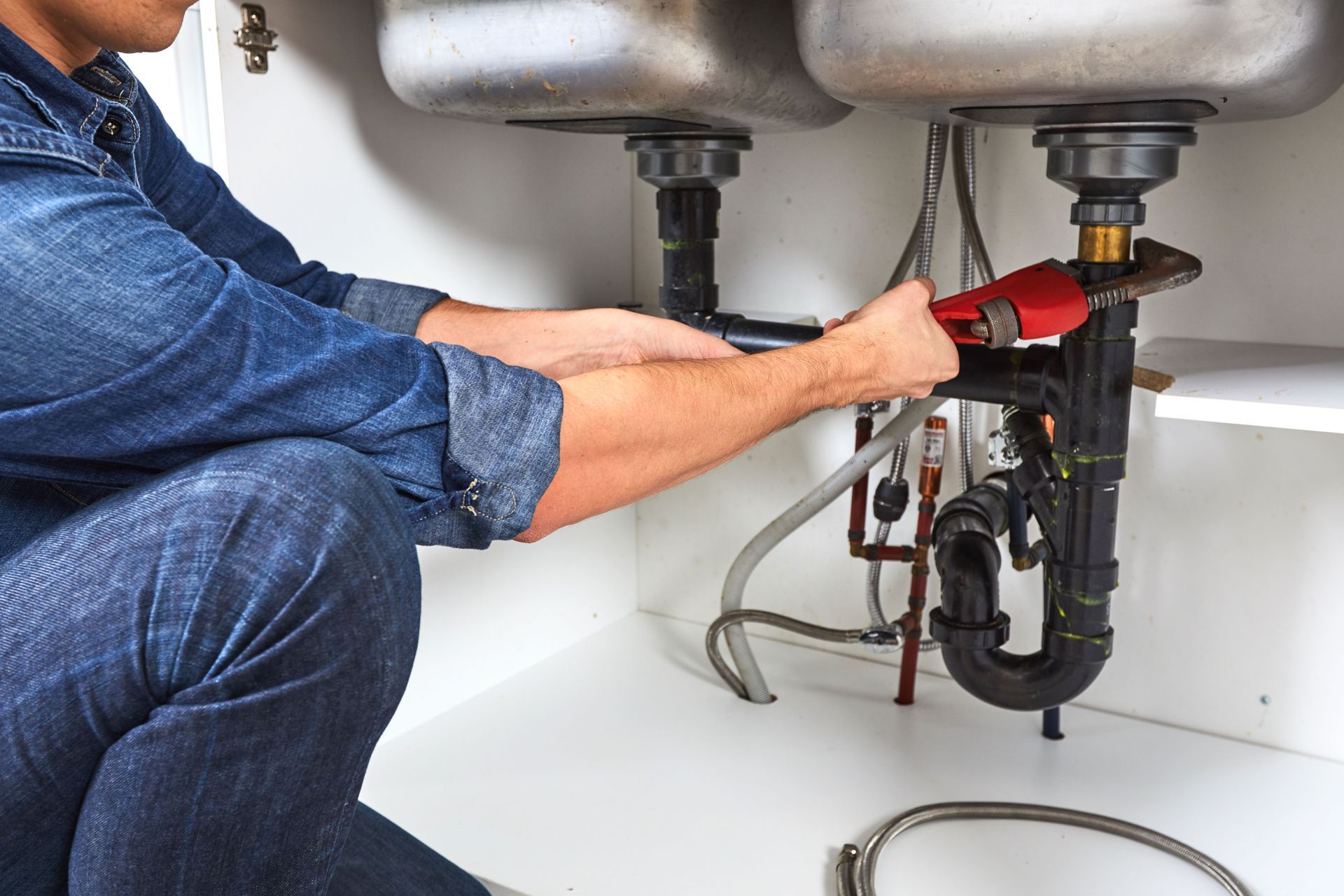
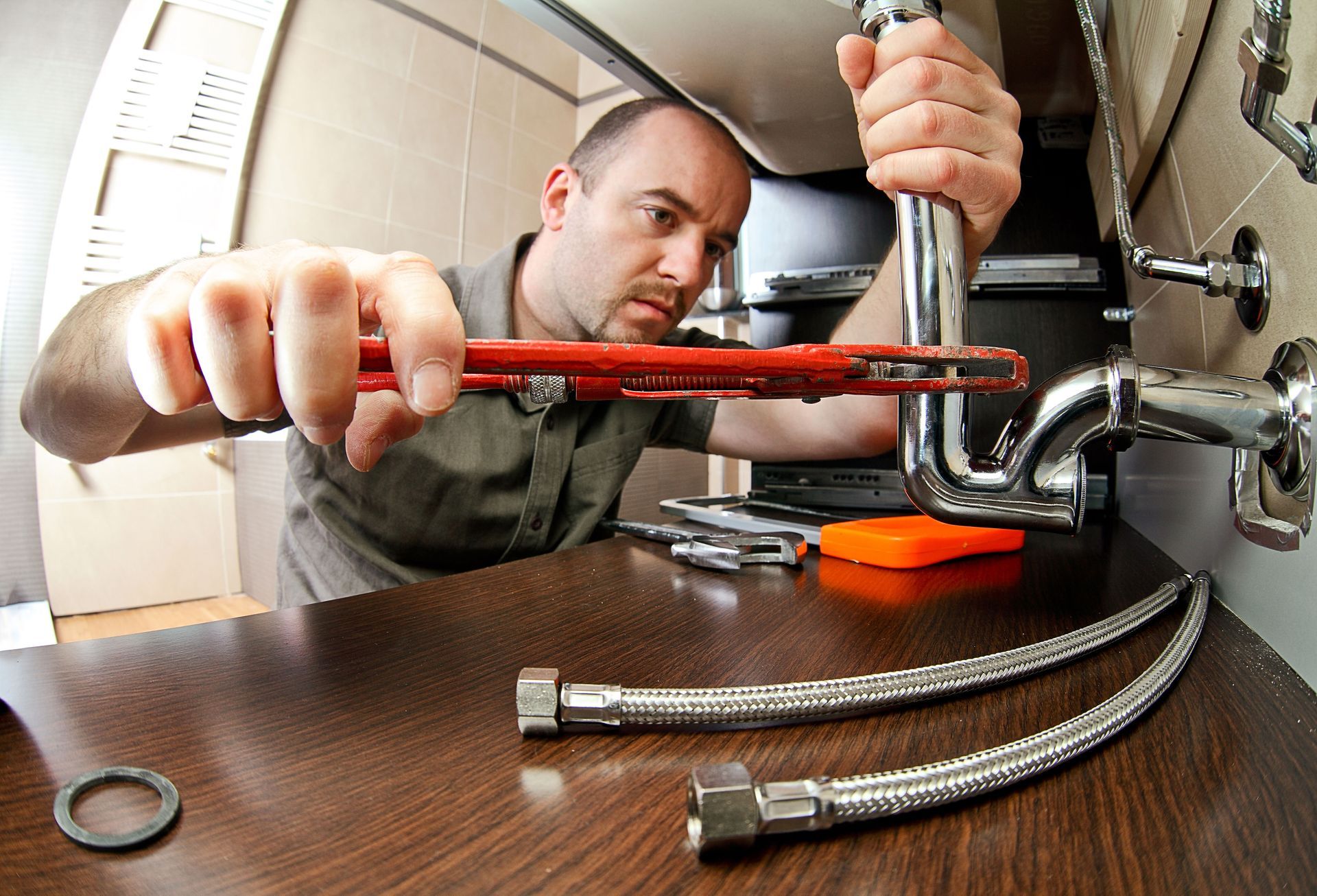
Water leaks rarely happen at a convenient time. One minute everything is fine, and the next you hear the unsettling sound of running water or discover a growing puddle in your hallway. The initial moments following a leak are critical for mitigating damage to your floors, walls, and personal items. Knowing exactly what steps to take during this high-stress situation helps keep you grounded and minimizes structural impact. Having the contact details of a local plumber saved on your phone allows you to act quickly when an unexpected burst occurs. Taking systematic control during the first ten minutes keeps minor issues from turning into major household disasters.
Locate and Shut Off the Main Water Valve
Your very first priority when a line breaks is stopping the flow of water at its source. Every household has a main shut-off valve, usually located near the water meter, in a basement, or along an exterior wall. Turning this valve clockwise completely stops fresh water from entering your property. Knowing where this valve is located ahead of time saves precious minutes during an emergency. Once the main valve is closed, reach out to a local plumber who can handle the primary repair work safely. Stopping the flow immediately limits the total volume of water that can seep into your flooring and walls.
Turn Off Electrical Power in Affected Zones
Water and electricity create a dangerous combination, making safety an immediate concern after shutting off the water. If the leak is near outlets, appliances, or light fixtures, go to your main breaker panel and switch off power to those specific areas. Do not walk through standing water to reach the breaker panel if the panel itself is near the flooding. Staying safe is far more important than attempting quick cleanups on your own. Calling a local plumber ensures that the structural plumbing issue is addressed while you keep your home environment safe from electrical hazards.
Relieve Remaining Pressure in the Pipes
Even after shutting off the main water valve, significant pressure and residual water remain inside your pipe system. Open the lowest outdoor spigot or an affected indoor faucet to drain the remaining water out of the system cleanly. This simple action prevents extra water from spilling out through the leak point inside your living space. Once the pipes are relieved of pressure, a local plumber can inspect the lines to identify the exact point of failure. Allowing the excess water to drain through proper outlets protects your subflooring and drywall from additional unnecessary saturation.
Document the Affected Areas for Insurance
Before wiping up water or moving heavy items, take out your phone and take clear photos and videos of the damage. Capture wide shots of the room as well as close-up images of damaged property, saturated walls, and standing water. Insurance companies require detailed evidence to process claims smoothly and accurately. According to ZipDo Education Reports, plumbing leaks are responsible for about 37 % of water damage incidents in residential homes. Having comprehensive documentation ready for your adjuster and sharing details with your local plumber helps establish a clear timeline of the event.
Protect Unaffected Belongings and Furniture
Move valuable items, electronics, rugs, and furniture away from the expanding puddle as quickly as possible. If furniture is too heavy to move completely out of the room, place aluminum foil or plastic blocks under the legs to prevent wood finishes from absorbing water. Moisture pulls quickly into porous materials, leading to warping and permanent staining within minutes. Securing your personal items minimizes financial loss while you await professional help. Contacting a local plumber early allows you to focus on protecting your belongings while an expert manages the pipe repairs.
Begin Clearing Standing Surface Water
Once the primary water source is completely stopped and electrical safety is verified, focus on removing standing surface water. Use thick towels, mops, or a wet vacuum to gather excess liquid from hard flooring surfaces. Removing surface water rapidly stops liquid from soaking deep into floorboards or migrating under baseboards. While surface cleaning helps control immediate dampness, a local plumber needs to evaluate the hidden piping to ensure the leak is entirely contained. Quick action on the surface prevents long-term moisture retention in building materials.
Promote Air Circulation and Ventilation
Moisture trapped in enclosed spaces creates an ideal environment for secondary environmental issues. Open windows and interior doors if the weather outside allows, and turn on ceiling fans to keep air moving across wet surfaces. Good airflow accelerates surface drying and helps carry damp air out of the building structure. Continuous air movement also deters dampness from setting deeply into porous drywall and wood trim. Proper ventilation is a supportive step while you wait for a local plumber to arrive and perform formal repairs. Keeping air moving through the space helps protect your indoor air quality during an unexpected emergency.
Examine Surrounding Walls and Ceilings
Water travels along the path of least resistance, often traveling down studs and joists far from the original leak source. Check adjacent rooms, lower levels, and ceilings for signs of sagging, discoloration, or active dripping. Identifying the full scope of water movement helps you inform incoming professionals about where water has traveled. When you speak with your local plumber, detailing these secondary damp spots helps them locate hidden pipe failures faster. Catching water movement early keeps damage isolated to the smallest area possible.
Avoid Hazardous Areas and Compromised Structures
Heavy water accumulation can weaken drywall, ceiling tiles, and subflooring surprisingly fast. If a ceiling is sagging significantly under the weight of trapped water, stay clear of the area to avoid injury from falling materials. Never attempt to poke holes or perform structural modifications yourself during an active crisis. Structural integrity can degrade rapidly when load-bearing materials become fully saturated. Remaining cautious in these areas minimizes personal risk until trained technicians assess the structural damage. Keeping your family and pets in a dry, secure room ensures everyone stays safe. Contacting a local plumber gives you access to professional support for managing delicate plumbing situations correctly and safely.
Establish a Clear Pathway for Professionals
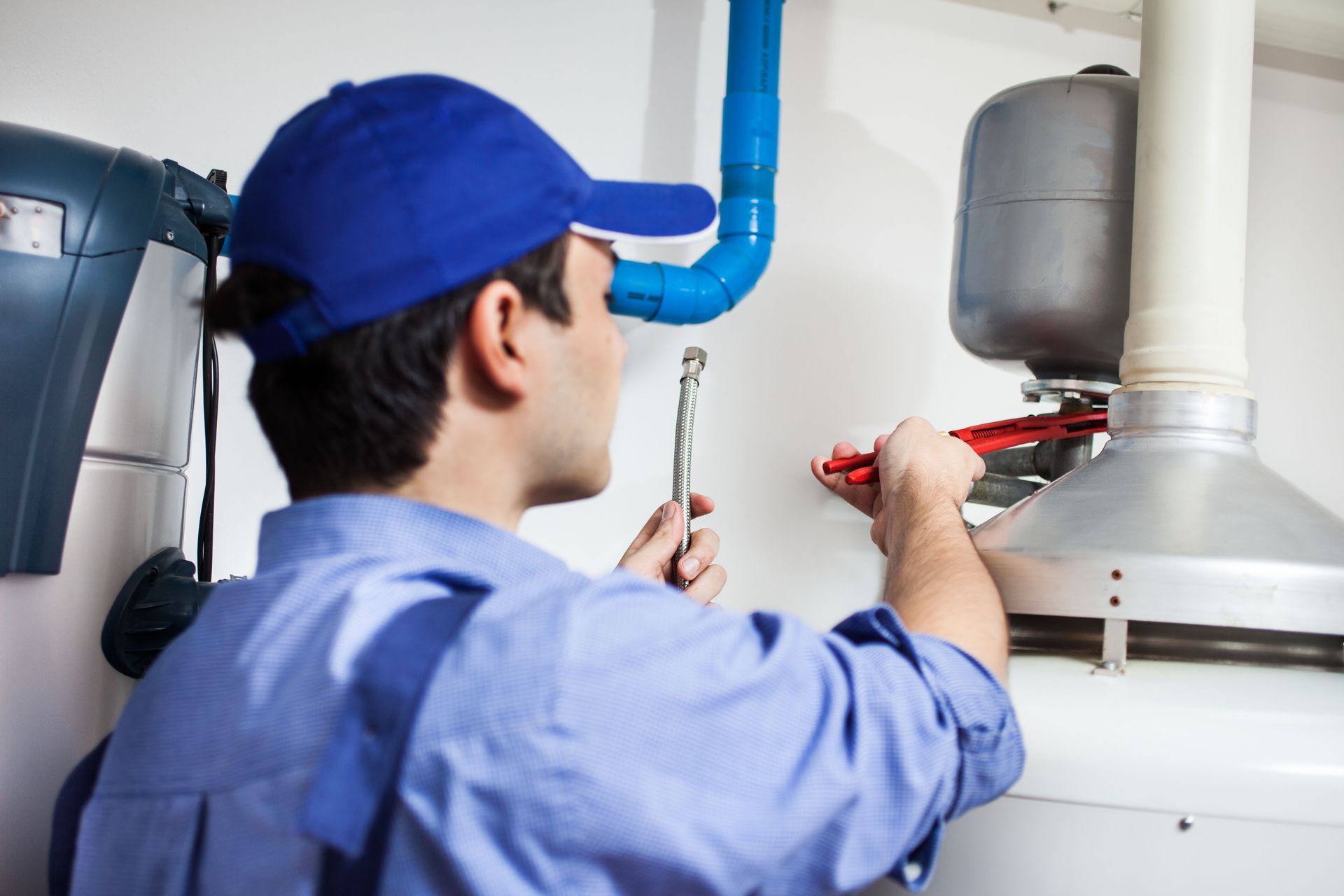
In the final minutes of your initial response, clear a direct path from your front entry to the leak site and the main water valve. Move shoes, boxes, furniture, and personal items out of hallways and doorways so arriving technicians can bring equipment inside without delay. Having quick, unimpeded access allows a local plumber to begin diagnostic work and repairs immediately upon arrival. Removing obstacles ensures that bulky diagnostic tools and containment gear can be transported directly to the source of the problem. A clean staging area also helps keep surrounding dry areas free from accidental debris or moisture tracking. Preparing the workspace saves vital time and ensures the repair process runs as smoothly as possible.
The first ten minutes following a pipe leak are critical for protecting your property and keeping your household safe. By shutting off the main water line, securing electrical zones, documenting damage, and clearing pathways, you maintain full control over a chaotic situation. Professional intervention is essential for correcting the underlying piping issues and preventing future incidents. When unexpected pipe failures happen in your home, contact Armstrong Plumbing & Sewer Service to reach a reliable local plumber who can resolve the issue promptly.