By Rich Gregory
September 24, 2026
Have you ever stood in your kitchen staring as murky water stubbornly refuses to drain from your sink? You are certainly not alone in this frustrating, messy experience. According to WifiTalents, roughly 10% of households in the United States face plumbing problems annually, and many of these headaches originate right in the kitchen. The kitchen sink is essentially the heart of culinary preparation and cleanup, seeing tremendous daily use by your entire family. When it suddenly stops working, your entire daily routine grinds to an abrupt halt. While tempting to pour harsh chemicals down the drain, these quick fixes rarely solve the issue. Often, they cause more damage, leading to the need for comprehensive plumbing services. Understanding why your sink keeps backing up is the first step toward a permanent solution. From everyday habits to hidden blockages within your pipes, the culprits are often things you interact with daily. Let us explore the real reasons your kitchen sink stubbornly refuses to drain properly, and precisely how you can prevent these messy backups from ruining your day in the future.
Pouring Grease Down the Drain
One of the most frequent offenders for kitchen sink backups is the improper disposal of cooking fats, oils, and grease. Homeowners mistakenly believe that if grease is liquid when hot, it will wash away smoothly with warm water. Unfortunately, as soon as those fats hit cooler pipes in your kitchen plumbing system, they congeal. Over time, this creates a sticky coating along the interior walls of your pipes. This sludgy layer acts like a magnet, catching food particles and forming an impenetrable blockage. Once a grease clog has fully formed, basic plunging will not budge it. You will need professional plumbing services to clear the pathway. Experts often rely on high-pressure water jetting to scour the pipe walls clean, blasting away hardened grease. To prevent this, always pour excess cooking grease into a disposable container, let it solidify, and throw it in the trash instead of washing it down the drain.
Putting Scraps Into the Garbage Disposal
Garbage disposals are wonderful conveniences, but they are not magical machines that obliterate all waste. A major reason your sink backs up is appliance misuse. People often scrape fibrous vegetables like celery and potato peels directly into the disposal. These stringy items wrap around grinding blades, causing the motor to jam and the drain to clog. Starchy foods, such as pasta and rice, expand when exposed to water, creating a paste that easily stops up your plumbing fixtures. Coffee grounds are another massive culprit, clumping together to form a dense barrier deep within your pipes. When a disposal unit is jammed, water has nowhere to go but back up into your sink. Bringing in experts for specialized plumbing services is the safest way to resolve garbage disposal issues. A professional can clear the blockages without destroying your equipment, restoring normal function to your kitchen sink quickly.
Ignoring Hard Water Buildup
Depending on where you live, the water flowing through your home might carry high levels of dissolved minerals, primarily calcium and magnesium. This is referred to as hard water. While safe for consumption, hard water is notoriously harsh on pipes. Over years of use, minerals precipitate out and form scale deposits inside your system. This scaling gradually narrows the diameter of the pipes, restricting water flow and making it easier for minor debris to create a severe clog. If you notice frequent backups despite being careful, hard water scaling might be the culprit. Addressing heavy mineral buildup requires extensive plumbing services. Plumbers can assess the scaling severity using advanced video inspection tools. If the scaling has compromised the pipes, they might recommend localized pipe replacement or even full re-piping to ensure water flows freely and your sink drains normally.
Dropping Foreign Objects Accidentally
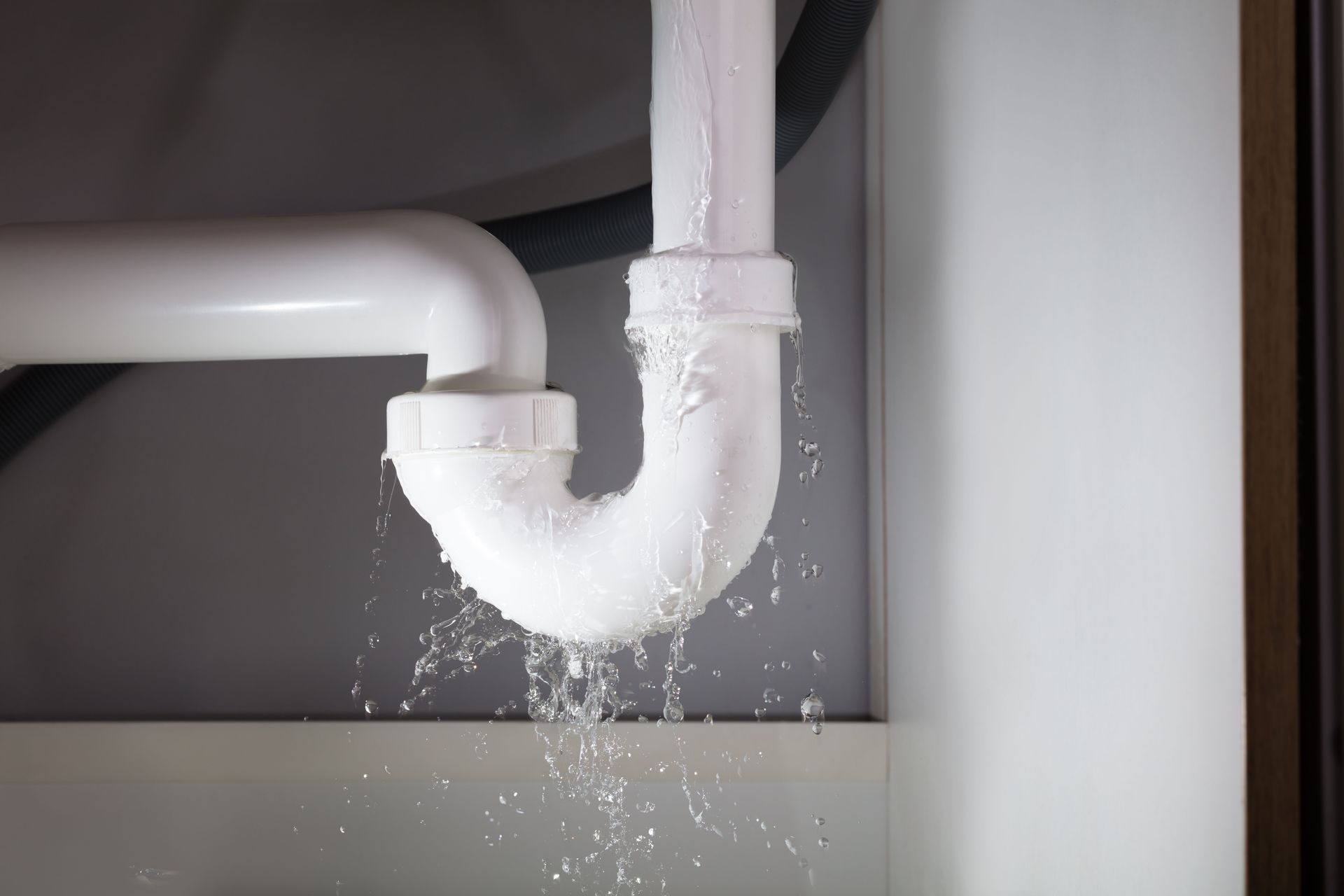
It might sound surprising, but many kitchen sink backups are caused by foreign objects accidentally falling down the drain. Whether it is a small bottle cap, a stray piece of silverware, or a fragment of food packaging, these items do not break down. Once lodged in the curved section of the pipe, known as the P-trap, they act as a dam. Water flow slows, and other debris accumulates around the object until the pipe is sealed off. Sometimes, homeowners are unaware that something dropped into the drain until the water stops draining entirely. When plunging fails, safely locating and extracting the item requires professional plumbing services. A skilled technician can perform a video inspection to pinpoint exactly where the object is stuck. They can then disassemble the necessary components, remove the blockage, and reassemble the kitchen plumbing without causing leaks or damage.
Forgetting Routine Maintenance Checks
Many property owners operate under the assumption that if water is draining, everything is fine. This mentality often leads to unexpected and messy backups. Forgetting routine maintenance allows small accumulations to turn into severe obstructions. Slow-draining sinks are usually the first warning sign, yet they are frequently ignored until a full backup occurs. Scheduling regular plumbing services for preventative maintenance is an excellent investment for any homeowner who wants peace of mind. Plumbers can perform routine drain snaking to clear out minor blockages before they solidify and cause water to overflow onto your kitchen floor. Moreover, periodic check-ups allow professionals to identify early signs of wear in your plumbing fixtures, check for leaks, and ensure everything functions efficiently. By staying proactive rather than reactive, you save yourself the stress, mess, and expense of dealing with an emergency backup when you least expect it.
Letting Sewer Line Issues Escalate
Sometimes, the reason your kitchen sink is backing up has nothing to do with the kitchen itself. The problem could be lurking underground in your main sewer line. If you experience backups in multiple fixtures simultaneously, or hear gurgling sounds from the drain, it is a strong indicator of a sewer issue. Tree root intrusion, collapsed pipes, or sludge in the main line can prevent wastewater from exiting your home, forcing it into the lowest drains. This is a severe problem that necessitates immediate plumbing services. Professionals can utilize video cameras to inspect the underground pipes and determine the cause. Depending on the damage, they may perform thorough sewer cleaning, targeted sewer repair, or complete sewer replacement. Ignoring these critical symptoms can unfortunately lead to hazardous wastewater rapidly flooding your home, requiring extensive cleanup and potentially expensive basement waterproofing efforts.
Dealing with a backed-up kitchen sink is more than just a minor inconvenience; it is a disruption that halts your daily routine and creates unsanitary conditions. By understanding the common culprits—such as grease, improper food disposal, hard water scaling, foreign objects, lack of maintenance, and deep sewer line problems—you can protect your pipes. Being mindful of what goes down the drain is your first line of defense against clogs. However, when stubborn blockages occur, avoid harsh chemicals that can corrode your system. Instead, rely on expert plumbing services to resolve the issue safely. Whether you need simple drain snaking, high-pressure water jetting, or an in-depth video inspection, professional help ensures the job is done correctly. Do not let persistent sink backups ruin your day, disrupt your dinner plans, or cause costly damage to your property. When you are ready for reliable, top-tier assistance that prioritizes your home's safety, reach out and schedule an appointment with Armstrong Plumbing & Sewer Service.