By Rich Gregory
July 20, 2026
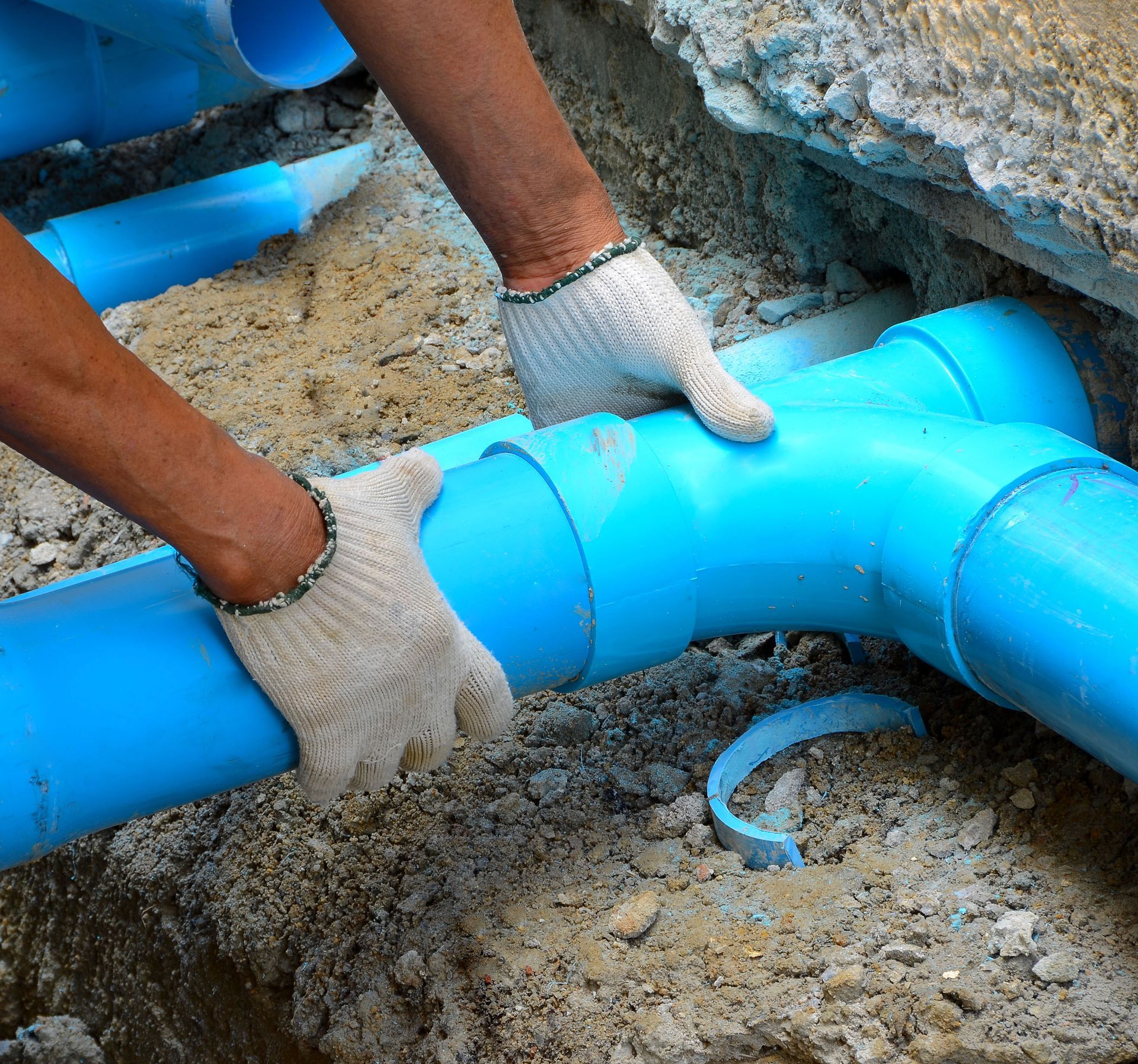
Every season brings different challenges for your home's plumbing system, but many homeowners don't realize how much the weather can affect underground sewer lines. While sewer pipes remain out of sight, they are constantly exposed to changing soil conditions, shifting temperatures, heavy rainfall, and invasive tree roots. These environmental factors can place stress on aging pipes and turn minor issues into major plumbing emergencies.
Understanding why certain times of the year see an increase in sewer problems can help homeowners recognize warning signs before extensive damage occurs. Preventive maintenance and timely inspections often cost far less than emergency repairs after a sewer line fails. Whether you own an older property or a newer home, knowing what seasonal conditions affect your plumbing system can help you avoid unexpected disruptions and expensive restoration work. Here are eight common reasons sewer repairs become more frequent during different seasons.
1. Experiencing Heavy Spring Rainfall
Spring often brings abundant rainfall that saturates the ground around sewer lines. As soil becomes waterlogged, pressure increases on underground pipes. Small cracks that may have gone unnoticed during drier months can suddenly allow groundwater to enter the sewer system, leading to backups or reduced flow capacity.
Heavy rain can also overwhelm municipal sewer systems, especially in older neighborhoods. When this happens, wastewater may struggle to drain properly from residential properties. If homeowners already have minor pipe damage, the additional stress may accelerate deterioration and require professional sewer repairs.
Spring moisture also encourages root growth, which compounds existing problems by allowing roots to seek out tiny openings in sewer pipes. Scheduling inspections before the rainy season helps identify weaknesses before they worsen.
2. Facing Aggressive Tree Root Growth
Warmer weather stimulates tree and shrub growth, making spring and early summer prime seasons for root intrusion. Tree roots naturally seek moisture, and sewer pipes provide a reliable water source when even the smallest crack develops.
Once roots enter a sewer line, they continue expanding inside the pipe. Over time, they catch debris, grease, and waste, gradually forming significant blockages that restrict wastewater flow. Eventually, the pressure created by repeated backups may crack or completely collapse sections of pipe.
Professional plumbers use specialized camera inspections to identify root intrusion without unnecessary digging. Modern equipment also allows technicians to remove invasive roots while minimizing disruption to landscaping. Early intervention often prevents more extensive sewer repairs later.
3. Enduring Summer Soil Expansion and Contraction
Summer heat affects more than outdoor comfort—it also changes the condition of the soil surrounding underground plumbing. Extended periods of high temperatures dry out the ground, causing soil to shrink. When sudden summer storms follow dry conditions, the soil rapidly expands again.
This repeated expansion and contraction places continual pressure on buried sewer pipes. Older pipes made from clay or cast iron are particularly vulnerable because they may already have weakened joints or existing fractures.
Even newer piping materials can experience shifting if surrounding soil movement becomes significant. Homeowners who notice recurring drain issues during hot weather should avoid assuming the problem will resolve on its own. Professional inspections can determine whether seasonal soil movement has compromised the sewer system before complete pipe failure occurs.
4. Encountering Increased Household Water Usage
Summer vacations, children home from school, outdoor entertaining, and lawn maintenance all increase household water consumption. More frequent showers, additional laundry loads, and heavier dishwasher use place greater demand on residential sewer systems.
Higher wastewater volume exposes weaknesses that may remain hidden during periods of lighter usage. Partial blockages can quickly become complete obstructions when increased flow carries additional debris through already restricted pipes.
If drains begin emptying slowly or multiple fixtures show signs of backing up simultaneously, homeowners should contact experienced plumbing professionals promptly. Addressing problems early often limits the scope of necessary sewer repairs and helps prevent sewage from entering the home.
5. Experiencing Autumn Leaf and Debris Accumulation
Fall creates a different set of challenges as leaves, twigs, and seasonal debris collect around outdoor drains and sewer access points. While these materials may seem harmless, they can contribute to drainage issues that place additional strain on residential sewer systems.
Blocked exterior drains may cause standing water around the home's foundation, increasing soil saturation near underground sewer lines. The added moisture can expose weaknesses in aging pipes or worsen existing cracks.
Autumn is also an ideal time for preventative maintenance before winter arrives. Cleaning drains, inspecting sewer lines, and removing developing blockages allow homeowners to enter colder months with greater confidence that their plumbing system is functioning properly.
Routine inspections frequently reduce the need for emergency sewer repairs during harsher weather conditions.
6. Managing Winter Freezing Temperatures
Cold weather introduces another major source of sewer problems. Although sewer lines are generally buried below the frost line, prolonged freezing temperatures can still affect vulnerable sections, especially shallow pipes or exposed connections.
Frozen ground limits soil movement while increasing pressure on underground infrastructure. Existing cracks may expand as surrounding materials freeze and thaw repeatedly throughout the season.
Grease buildup presents another winter concern. Cooking fats poured down kitchen drains cool and harden much faster during colder months, contributing to stubborn blockages that restrict wastewater flow.
Professional plumbers have specialized equipment to safely diagnose frozen or damaged sewer lines without causing unnecessary property damage. Attempting DIY repairs on underground sewer systems often leads to additional complications that increase repair costs.
7. Dealing With Aging Sewer Infrastructure
Not every seasonal sewer problem results directly from weather. Many issues become apparent simply because older sewer systems have reached the end of their useful service life.
According to HomeGuide, sewer lines typically have a lifespan between 30 and 100 years, depending on the material used. Homes with aging clay, cast iron, or Orangeburg piping may experience more frequent failures as seasonal weather places additional stress on already deteriorating materials.
Small leaks can gradually become significant structural failures after repeated years of freeze-thaw cycles, heavy rainfall, and shifting soil. Professional inspections help determine whether isolated repairs remain practical or whether replacement provides a more reliable long-term solution.
Understanding the age and condition of your sewer line allows homeowners to budget proactively instead of facing unexpected emergency sewer repairs.
8. Ignoring Early Warning Signs
Perhaps the biggest reason repair calls spike during certain seasons is that homeowners overlook small plumbing problems until environmental conditions make them impossible to ignore.
Common warning signs include:
- Slow drains throughout the home.
- Gurgling sounds coming from toilets or sinks.
- Frequent drain backups.
- Persistent sewage odors indoors or outdoors.
- Wet patches developing in the yard.
- Unusually green or lush grass above sewer lines.
Many of these symptoms begin months before a complete sewer failure occurs. Seasonal rainfall, freezing temperatures, or increased household water usage simply magnify existing issues until immediate action becomes unavoidable.
Rather than waiting for a plumbing emergency, homeowners should schedule professional inspections whenever recurring symptoms appear. Experienced technicians use advanced diagnostic tools to identify hidden pipe damage accurately, allowing targeted sewer repairs before widespread property damage develops.
Regular maintenance also provides peace of mind by reducing the likelihood of sudden sewer failures during the busiest times of year.
Seasonal weather will always affect underground plumbing systems, but homeowners are not powerless against these changes. Understanding how rainfall, tree roots, soil movement, freezing temperatures, aging infrastructure, and increased household demand contribute to sewer problems allows you to take preventive action before costly emergencies develop. Routine inspections, prompt attention to warning signs, and professional maintenance can significantly reduce the likelihood of unexpected sewer repairs while helping extend the life of your sewer system. If you've noticed signs of trouble or want to prepare your plumbing for the next season, we at Armstrong Plumbing & Sewer Service are ready to help with expert inspections, dependable sewer repairs, and long-lasting solutions that protect your home for years to come.