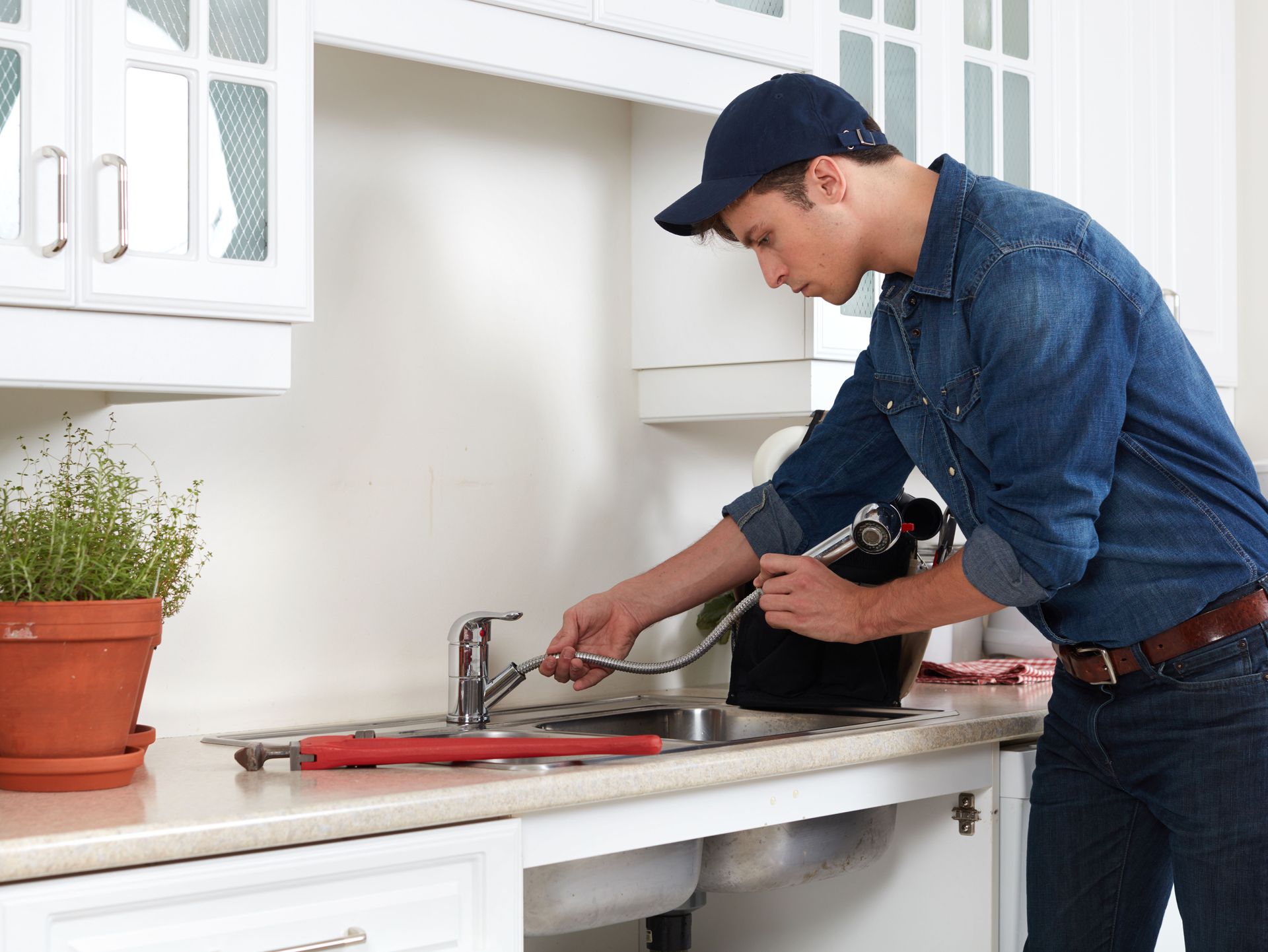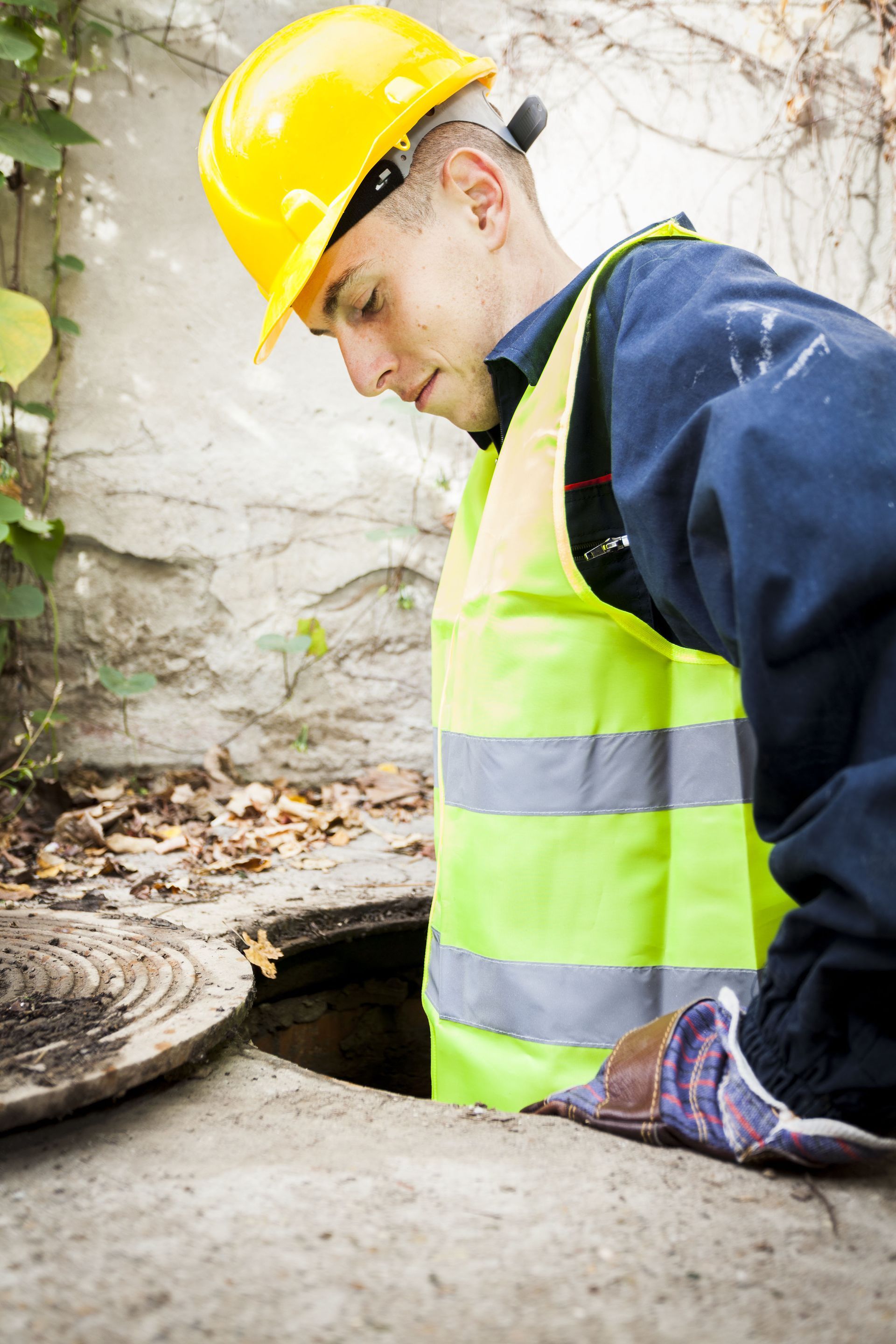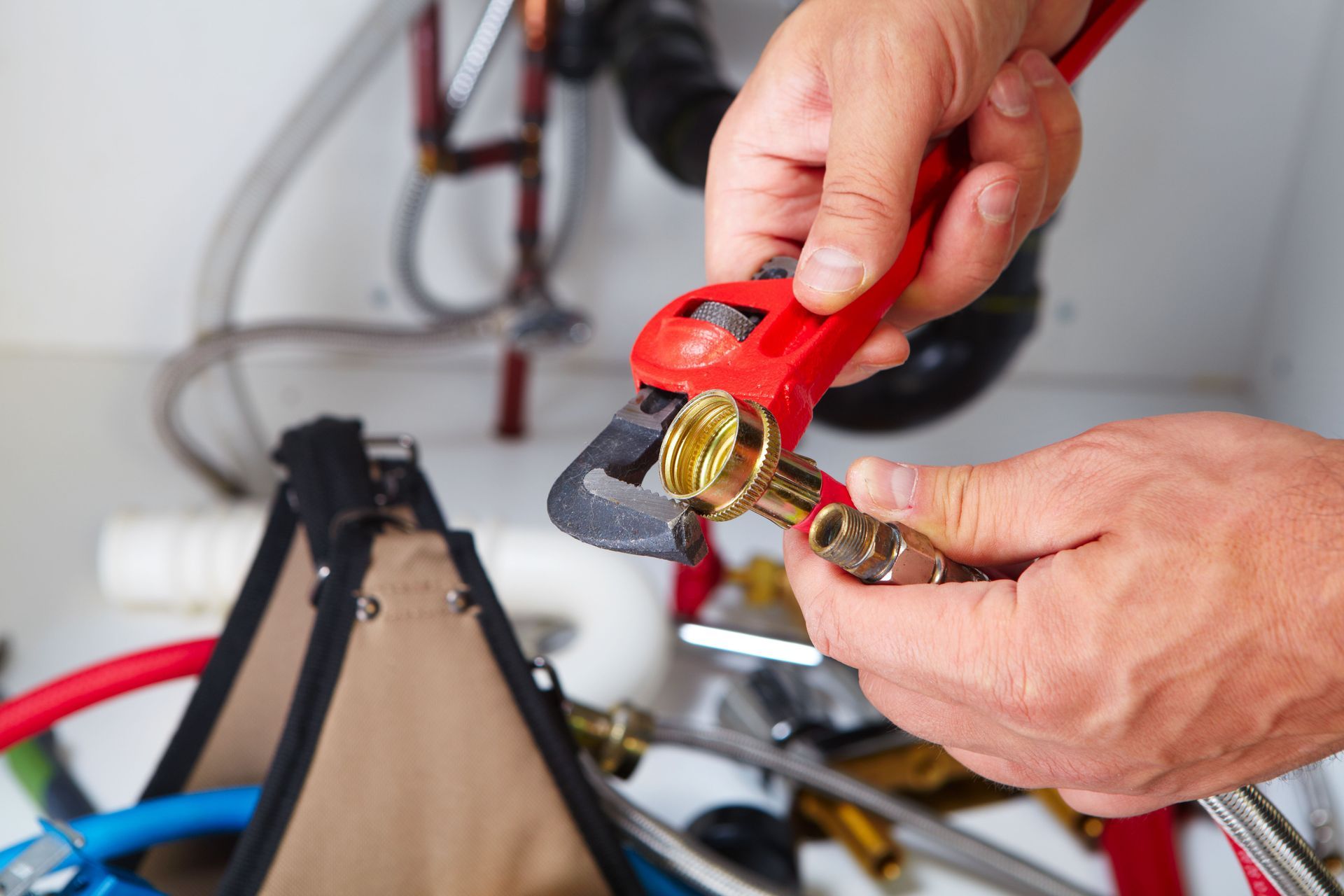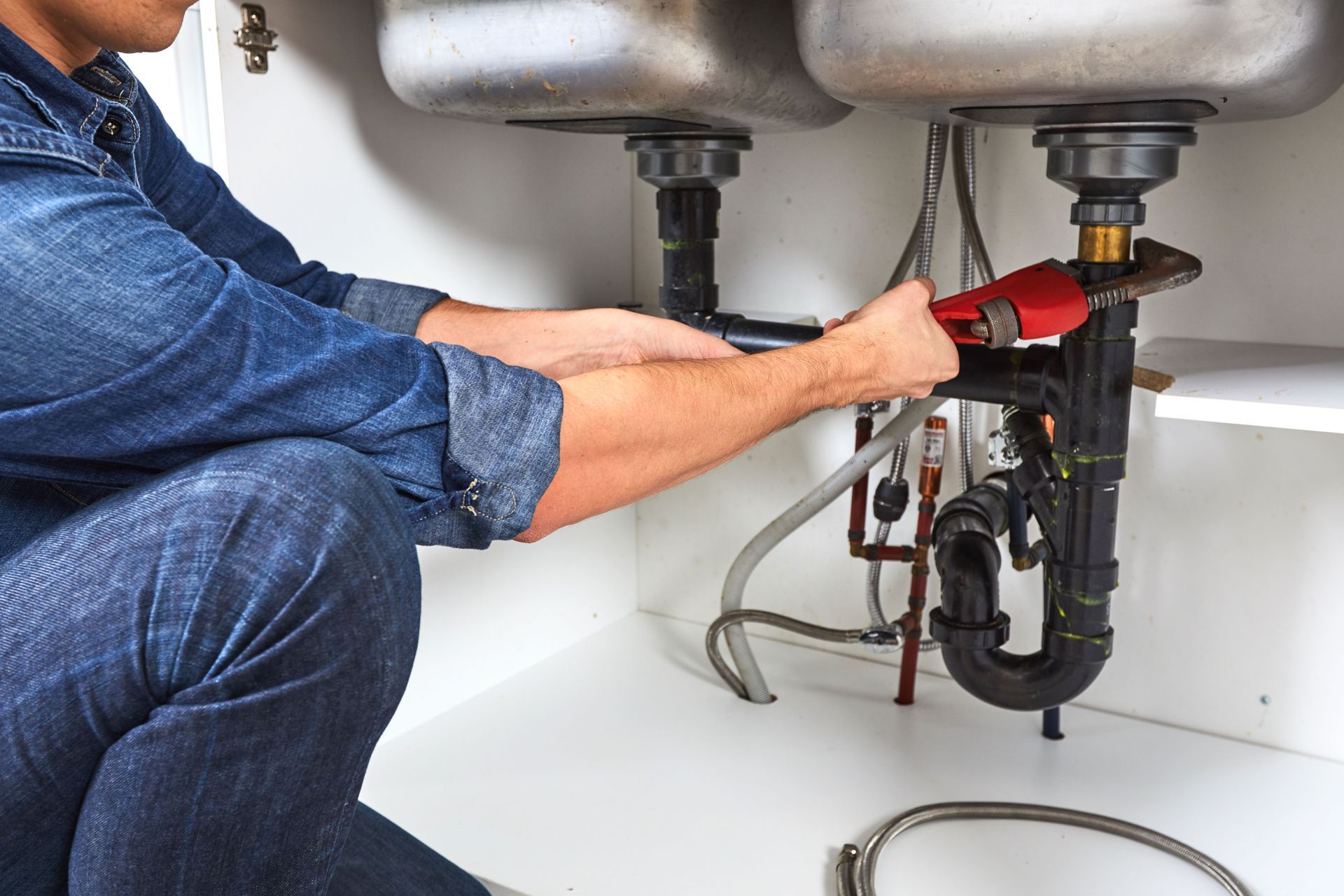
The visit from a plumber can be a source of anxiety for many homeowners. Understanding what to expect during the visit can ease concerns and make the process smoother. This article breaks down the typical plumber visit into detailed steps, ensuring you're well-prepared and informed. By learning how professional plumbing services operate, homeowners can communicate more effectively and make confident decisions about repairs. Knowing each stage of the visit also helps reduce uncertainty and supports a smoother overall experience.
1. Initial Contact and Scheduling the Visit
1.1. Reaching Out for Services
Most homeowners contact plumbers via phone or online platforms, seeking quick resolution to their plumbing problems. Ensuring that you have the correct contact information for a reputable plumbing service is crucial. When discussing your issues, it's vital to provide clear and precise information about the symptoms and the urgency of the situation. Remember, according to WifiTalents, approximately 10% of homes in the U.S. experience issues with their plumbing each year, emphasizing the importance of efficient communication when seeking help. Clear communication helps technicians prepare the appropriate tools and materials.
1.2. Providing Necessary Details
When contacting plumbing services, be prepared to supply essential details about the nature of your problem. This includes information about any visible leaks, noises, or irregularities in water pressure. You'll want to provide the plumber with any recent changes in your plumbing system, such as newly installed appliances or fixtures. This step helps the plumber assess the situation remotely and prepares them for the type of equipment they might need to bring. The clearer the communication, the more effectively the plumber can diagnose and plan for the visit.
1.3. Setting an Appointment Date and Time
Choosing a suitable appointment date and time is the next step in ensuring your issues are resolved promptly. Consider selecting a time where you can be present for the entire visit, which often facilitates smoother communication. Some companies offer flexible scheduling, including evenings and weekends, to accommodate various needs. Be sure to inquire about available slots as soon as possible, especially during peak seasons when plumbing services are in high demand. Clarifying the expected duration of the visit can help you better plan your day around the service appointment.
1.4. Confirming the Visit
After arranging for an appointment, confirming the visit becomes crucial to ensure alignment between you and the plumbing services. Many companies provide confirmation calls or emails a day prior to the visit. Double-check the appointment details, including the time and the problem being addressed, to avoid any misunderstandings. Some companies may also provide the name of the plumber who will visit, which enhances transparency and establishes trust. Confirmation serves as a final check to prevent any last-minute surprises or scheduling conflicts.
1.5. Discussing Initial Estimates
Discussing the initial estimates gives an idea of potential costs and helps budget for the expected services. During this conversation, plumbers may provide a general range based on your described issues. Although exact pricing might involve a physical assessment, an initial estimate helps set expectations. It's crucial to inquire about what the estimate includes and whether there are any possibilities for additional charges. An open dialogue about costs ensures there are no unexpected financial burdens after plumbing services are completed.
2. Preparing for the Plumber's Arrival
2.1. Clearing the Work Area
A key preparation step is ensuring the plumber has easy access to the work area. Begin by removing personal belongings and obstructions near the problem area. This allows for a safer working environment and ensures the plumber can start work without delay. Remember that plumbing issues can arise in inconvenient places like beneath sinks or in basements. By clearing the area beforehand, homeowners contribute to a faster and more efficient repair process.
2.2. Gathering Relevant Documents and Receipts
Another preparatory step involves collecting documents related to past plumbing repairs or installations. This history can provide valuable context for the plumber as they diagnose the current issue. Include any receipts, warranty papers, or notes from previous plumbers that might shed light on recurring problems. Having this documentation ready helps ensure transparent communication and informed decision-making.
2.3. Making a List of Known Issues
Compiling a list of known issues is an effective way to discuss all concerns during the plumber’s visit. List any irregularities, like unusual sounds, fluctuating water temperatures, or recent changes in water pressure. This proactive step allows the plumber to determine whether multiple symptoms relate to a single underlying cause. Addressing all possible concerns in one visit may help reduce future service calls.
2.4. Informing Household Members
Before the plumber arrives, inform all household members about the scheduled visit and the areas that will require attention. This helps coordinate daily activities and ensures safety during the repair process. Children and pets should be kept away from work zones, and household members should understand why certain water systems might be temporarily unavailable.
3. The Plumber’s Arrival and Initial Assessment
3.1. Punctuality and Professional Introduction
Once the appointment comes around, punctuality often leaves the first impression on the homeowner. Upon arrival, the plumber should introduce themselves and confirm the nature of the visit. This introduction provides an opportunity to ask questions and clarify expectations for the service.
3.2. Overview of the Issue
The plumber will begin with a conversation about the problem to reaffirm their understanding. Homeowners should share any observations that may assist in diagnosis. Clear dialogue ensures both parties are aligned and supports a more efficient repair process.
3.3. Conducting a Thorough Inspection
Following the initial conversation, the plumber performs a detailed inspection of the affected systems. This examination helps identify potential sources of the problem and ensures accurate diagnosis. A comprehensive evaluation supports reliable plumbing services and helps prevent recurring issues.
3.4. Tools and Equipment Check
Professional plumbers come equipped with specialized tools and equipment for various repair tasks. Before proceeding, they verify that all necessary materials are available. This preparation ensures continuous workflow and minimizes disruptions.
4. Discussion of Solutions and Estimates
4.1. Presenting Solution Options
The plumber may present multiple repair approaches, ranging from temporary fixes to long-term solutions. Understanding these options helps homeowners choose the most appropriate course of action.
4.2. Explaining the Cost Breakdown
Reputable plumbers explain pricing details clearly, including labor and materials. Transparency builds trust and ensures customers understand what they are paying for.
4.3. Time Estimation for Completion
The plumber provides an estimated timeframe for completing the repair. Clear time expectations help homeowners plan accordingly.
5. Execution of the Plumbing Work
5.1. Safety Measures and Precautions
Plumbers follow safety protocols to protect themselves and household members. Proper precautions ensure a secure working environment.
5.2. Tools and Techniques Employed
Professionals use specialized tools and proven techniques to perform repairs efficiently. Their expertise ensures high-quality results.
5.3. Addressing Unforeseen Challenges
Unexpected complications may arise during repairs. Experienced plumbers adapt quickly and communicate any necessary adjustments.
6. Final Walkthrough and Payment
6.1. Review of Completed Work
The final walkthrough allows homeowners to evaluate the completed repairs and ask questions.
6.2. Explaining Maintenance Tips
Plumbers provide guidance on maintaining systems to prevent future issues and extend system lifespan.
6.3. Addressing any Customer Concerns
Any remaining concerns are discussed to ensure customer satisfaction and confidence.
By being informed about what to expect during a plumber’s visit, homeowners can ensure a stress-free experience. From initial contact to the final walkthrough, each step contributes to successful plumbing services. Proper preparation and communication help maintain reliable systems and protect the long-term health of your home. Contact our team at Armstrong Plumbing & Sewer Service today to get connected with our reliable plumbing service.